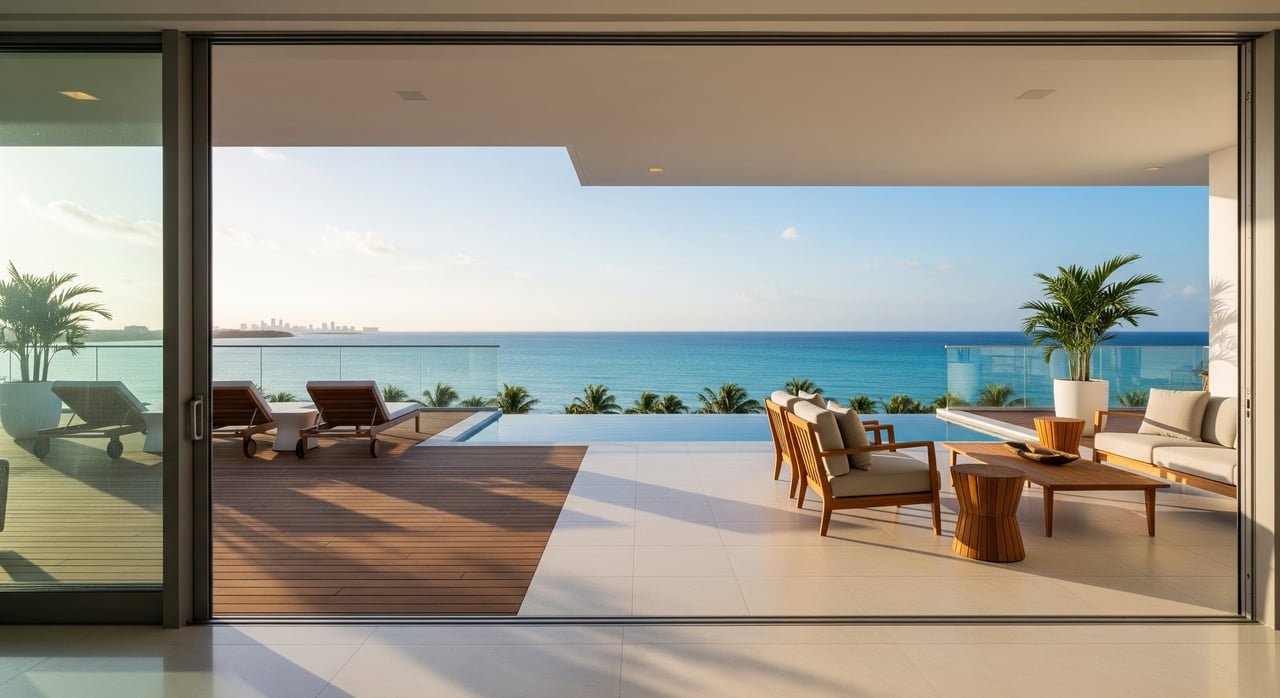
You know the feeling that hits when the ocean is the first thing you see in the morning. Living oceanfront in Miami Beach turns that moment into your daily rhythm. If you’re weighing a move, you likely want the real story: what the lifestyle looks like, where the quieter pockets are, and the practical costs that come with salt, storms, and resort-style amenities. This guide gives you an inside look at daily life, what to expect from buildings, and the key checks to make before you buy or lease. Let’s dive in.
Oceanfront neighborhoods at a glance
South Beach and South of Fifth
South Beach is where the energy is highest. You can walk to Ocean Drive, Lincoln Road, and a long list of restaurants and galleries. Buildings range from boutique Art Deco conversions to glassy luxury towers. South of Fifth, at the southern tip, adds yacht marinas and South Pointe Park to the mix with a very walkable, refined feel.
Mid-Beach
From about 23rd to 63rd Street, Mid-Beach blends historic hotels with newer luxury towers. It feels calmer than SoBe but still close to dining and cultural spots. Many properties here operate like full-service resorts with on-site restaurants, cabanas, and concierge support.
North Beach
North of 63rd Street, you’ll find longer stretches of beach and a more residential pace. You trade a bit of nightlife access for a quieter shoreline and easier mornings. Buildings vary widely, and some have fewer hotel-style services, which can also mean different HOA fee profiles.
Daily life and walkability
If being able to step out for coffee or dinner is a priority, South Beach and South of Fifth are the most walkable areas. Mid-Beach is a short walk or quick drive to shops and restaurants. North Beach tends to be more car-centric for errands and big shopping runs. For a quick sense of the island’s walkability, check neighborhood data on Walk Score.
You can get around without a car more easily than you might expect. Miami Beach runs neighborhood trolley routes that connect key corridors, and Miami-Dade Transit buses serve the island and the mainland. Learn more about routes and connections on the City of Miami Beach and Miami-Dade Transit sites. Ride-hail is widely used, and Miami International Airport is typically a 20 to 40 minute drive depending on traffic and events.
A typical day is simple and sensory. You might start with sunrise on your east-facing balcony, the sound of the surf, and a jog on the sand. Late morning can be errands or time by the pool while attendants set up umbrellas and towels. Afternoons bring paddleboarding or a marina outing, and evenings can be lively in South Beach or more low-key in Mid- and North-Beach.
Building amenities you can expect
Oceanfront condos often deliver a resort-style experience. Common features include:
- 24/7 concierge, doormen, on-site management
- Valet and covered parking, though guest parking can be limited
- Pools, hot tubs, and cabanas with towel or food service
- Staffed beach areas with chair and umbrella service
- Fitness centers, spa or sauna, and often yoga rooms or courts
- Business centers and secure package rooms
- Security cameras and keycard access for common areas
Many buildings provide direct walkways to the sand. Florida law keeps the intertidal zone public up to the mean high-water line, so you enjoy exclusive services like chairs and cabanas, but the shoreline remains open to the public. Review the state’s guidance on coastal access through the Florida Department of Environmental Protection for context.
Service levels vary. Purpose-built luxury towers tend to run higher staffing and broader services than older conversions. HOA fees reflect these choices along with the added cost of coastal maintenance and insurance. If amenities are central to your lifestyle, compare staff-to-unit ratios, service hours, and what is included in the monthly fees.
Construction, safety, and resilience
Oceanfront buildings in Miami-Dade follow strict hurricane codes. Many have impact-rated windows or approved shutters, elevated mechanicals, and generator backup for common areas. Salt air speeds corrosion on metal and exterior finishes, so you should expect regular paint and facade work in well-run buildings.
Miami Beach has invested in stormwater pumps, raised roads, and other resilience projects to manage tidal flooding and sea-level rise. You can explore current initiatives on the City of Miami Beach. Even with these measures, flood exposure remains part of coastal living, which is why insurance, reserves, and building maintenance records matter so much.
Privacy, noise, and views
Where you buy on the island shapes your day-to-day. South Beach brings vibrant nightlife and heavier foot traffic, especially along Ocean Drive and Collins Avenue. Mid-Beach delivers a balanced pace. North Beach is generally more relaxed.
Within a building, orientation and floor height are key. Higher floors reduce street noise and open up panoramic views. East-facing units get sunrise and direct ocean views. West-facing or intracoastal-facing layouts catch sunsets and city lights. If you like both, seek a floor plan with multiple exposures or generous terraces.
Costs, risk, and insurance
Flood risk is real for oceanfront homes. Many properties sit in FEMA Special Flood Hazard Areas. Lenders often require flood insurance separate from your homeowners policy. You can verify a property’s flood zone and base flood elevation through the FEMA Flood Map Service Center. For storm planning and seasonal guidance, visit the National Hurricane Center.
Condo master policies typically carry wind coverage for the building, with owners adding interior or contents coverage as needed. After major storms, premiums or special assessments can increase. Review the building’s insurance limits, deductibles, and claims history before you commit.
HOA fees on the oceanfront usually run higher than inland communities due to staffing, coastal upkeep, and insurance. Older buildings may face added capital needs if reserves were not built over time. When you want current market context, the latest snapshots from the association and MLS are helpful. You can monitor trends through Miami Realtors market reports.
Rental rules and guest access
Miami Beach and many HOAs regulate rentals. Some buildings prohibit short stays or set minimum lease terms. The city has historically enforced rules to manage neighborhood impacts. Always confirm current ordinances on the City of Miami Beach site and verify the building’s documented policies before assuming rental income potential.
Guest parking can be tight, especially in South Beach where street space is highly regulated. Luxury towers often rely on valet systems. If you plan to host frequently, compare guest parking options and any resident permit programs in your target area.
Buyer due diligence checklist
Use this short list to stay focused as you evaluate buildings and units:
- Building condition and reserves
- Current HOA budget and most recent reserve study
- Minutes from recent board meetings and a 5 to 10 year special assessment history
- Planned or recent capital projects like sea walls, facade restorations, roofs, or mechanicals
- Flood and storm exposure
- Flood zone and base flood elevation from the FEMA Flood Map Service Center
- Location of mechanical systems and parking relative to flood-prone levels
- Documented water intrusion, repair records, or insurance claims
- Insurance and lending
- Current annual flood and wind coverage details, including deductibles
- Any lender restrictions for the building or flood zone
- Amenities and services
- What is included in the HOA fee, such as valet, beach setup, or utilities
- Staffed beach services and guest access rules for chairs and cabanas
- Rental and house rules
- Minimum lease terms, blackout periods, and any owner-occupancy requirements
- Short-term rental allowances or restrictions as listed by the HOA and the City of Miami Beach
- Unit specifics
- Orientation, floor height, balcony size, and presence of impact glass
- Exposure to salt spray and any recent interior upgrades or repairs
- Local practicalities
- Nearest grocery, pharmacy, and service providers you’ll use daily
- Typical commute or travel times during high season and event weekends
- Records and verification
- Property records from the Miami-Dade County Property Appraiser to confirm ownership details and assessments
Is oceanfront Miami Beach right for you?
If you want daily ocean views, walkable dining and culture, and a building that runs more like a resort, Miami Beach checks those boxes. You will balance that lifestyle with higher HOA fees, coastal maintenance, and insurance considerations. The right fit comes down to your preferred rhythm, from South Beach energy to North Beach calm, and the building profile that matches your service expectations.
When you are ready to compare buildings, read budgets and reserves, and narrow to specific stack and floor options, expert guidance saves you time and stress. For boutique, design-led representation with global reach, connect with Elaine Kauffmann at elainekauffmann.com to Request a Custom Marketing Plan.
FAQs
Is the beach private in front of Miami Beach condos?
- In Florida, the intertidal zone up to the mean high-water line is public. Buildings can offer exclusive services like chairs and cabanas, but they do not own the ocean-facing public beach. See guidance from the Florida Department of Environmental Protection.
How risky is flooding for oceanfront Miami Beach homes?
- Many oceanfront parcels are in FEMA Special Flood Hazard Areas with exposure to storm surge and tidal flooding. Verify each property’s flood zone and base flood elevation on the FEMA Flood Map Service Center and discuss mitigation features with your lender and insurer.
What insurance will I need for an oceanfront condo?
- Lenders often require separate flood insurance for properties in designated flood zones, and wind coverage is typically part of the condo’s master policy. Review master policy limits and deductibles, plus any unit-level coverage you may need. The National Hurricane Center offers seasonal guidance.
How walkable is Miami Beach for daily errands?
- South Beach and South of Fifth are very walkable for dining and shopping, Mid-Beach is mixed, and North Beach is more car-dependent for big errands. Check area scores and nearby amenities using Walk Score.
Are short-term rentals allowed in Miami Beach oceanfront buildings?
- It depends on both city rules and your building’s HOA documents. Some buildings prohibit short stays or set minimum lease durations. Always verify current policies on the City of Miami Beach site and in the building’s rules before assuming rental income.
What should I review in a building’s HOA before buying?
- Focus on the current budget, the latest reserve study, recent board minutes, special assessment history, insurance coverage, and planned capital projects. These items help you gauge service levels and future costs.