Florida is once again at the center of a major conversation: potential property tax reductions.
At first glance, the narrative seems straightforward—lower taxes should increase affordability, and therefore push home values higher. While that logic is directionally correct, it only tells part of the story.
Let’s look deeper.
Consider a $10M property in Miami-Dade with roughly $200,000 in annual property taxes. If proposals reduce the non-school portion, a buyer could save approximately $110,000 per year. Some interpretations suggest that, at a 5% cost of capital, this translates into roughly $2.2M in additional purchasing power.
Mathematically, that holds.
But luxury real estate markets are not driven purely by financial models.
They are driven by demand.
The real implication of lower property taxes in Florida is not simply increased buying power—it is accelerated migration of high-net-worth individuals. Florida already benefits from having no state income tax, and continues to attract domestic and international wealth at scale. Any reduction in property tax burden would further strengthen that position.
This is where the dynamic shifts.
Lower taxes → more affluent buyers entering the market
More buyers → increased competition
Increased competition → upward pressure on pricing
This is the mechanism that historically drives value appreciation in prime markets.
We are already seeing early versions of this trend. Miami, in particular, has evolved into a global destination for capital—not just lifestyle. Tax efficiency is only one component; the broader appeal includes climate, infrastructure, and access to international networks.
If policy changes materialize, the likely outcome is not an overnight repricing of assets, but a gradual intensification of demand—especially in the luxury segment.
For buyers, the key question is not “How much will I save in taxes?”
It is “How will demand shift, and where should I position myself before it does?”
Timing, in this environment, becomes a strategic advantage.
If you are evaluating opportunities in Miami or South Florida, I’m happy to walk you through where we are seeing the most intelligent positioning today—based on both current demand and where it is heading.
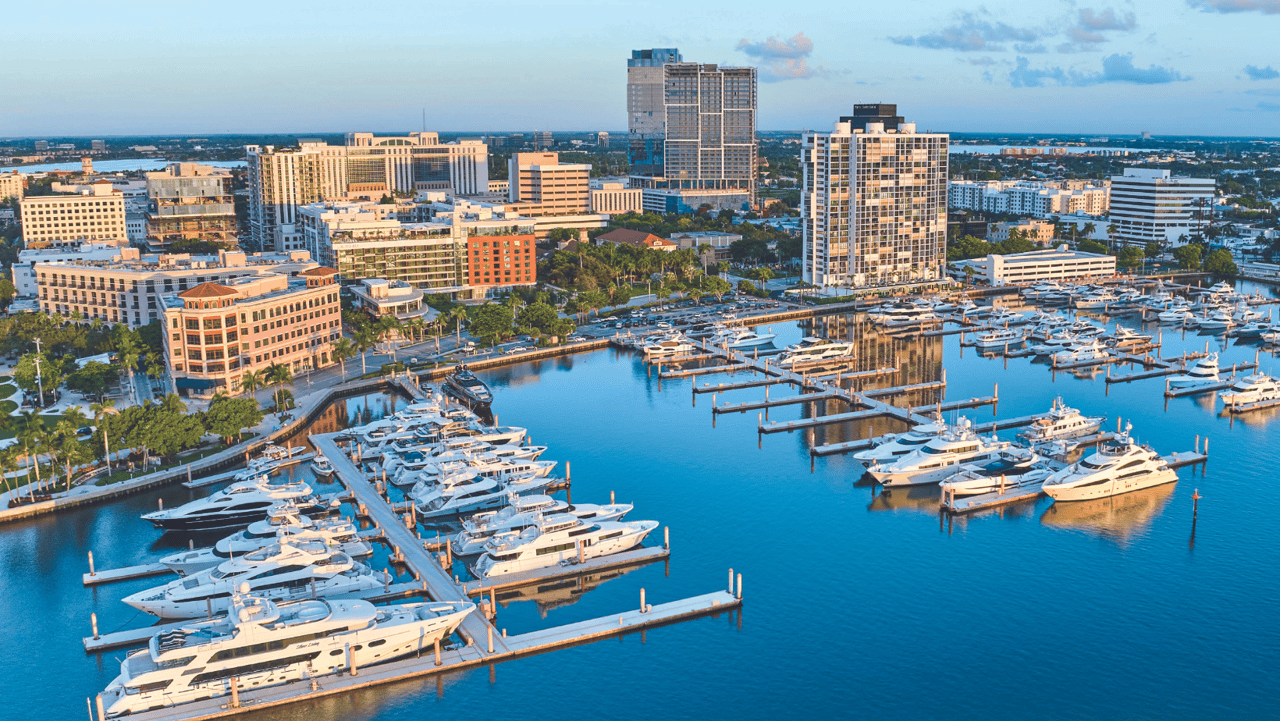
How Florida Property Tax Cuts Could Impact Miami Luxury Real Estate
Why Property Tax Cuts Matter More for Demand Than Affordability