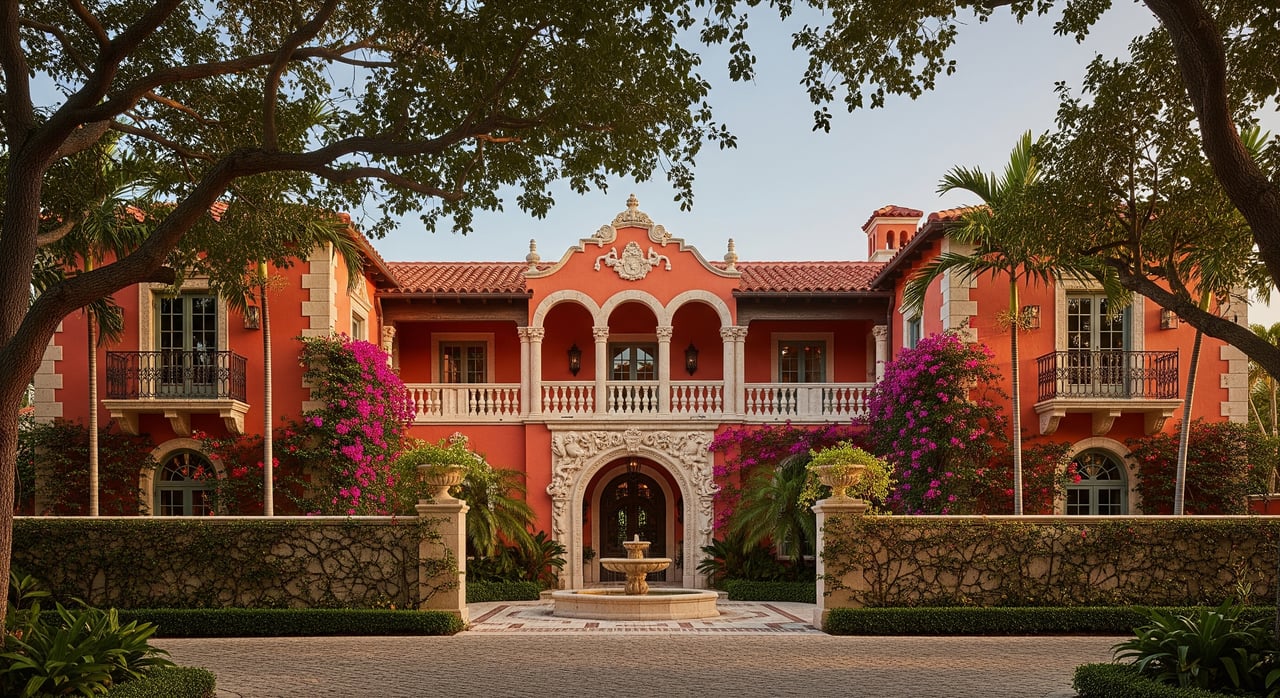
Do you love the romance of red clay roofs, sunlit courtyards, and handcrafted ironwork? If you are drawn to Coral Gables’ Old Spanish elegance, you are not alone. You also want clarity on approvals, upgrades, costs, and timelines before you commit. This guide gives you a grounded overview so you can buy with confidence and protect the character that drew you in. Let’s dive in.
Why Coral Gables homes stand out
Coral Gables emerged in the 1920s under George Merrick’s plan for a cohesive Mediterranean and Spanish aesthetic, and the city incorporated in 1925. Many signature homes were built in the 1920s and 1930s, so you are often evaluating properties that are 80 to 100 years old or more. These houses contribute to the city’s architectural identity, and many are locally designated or part of a historic district. That status influences what you can change on the exterior and how reviewers evaluate proposals.
Hallmark design and materials
Understanding original details helps you spot quality and plan compatible updates.
Exterior cues to look for
- Low‑pitched hip or gable roofs with red clay barrel tiles. Roof silhouette and eave depth are character‑defining.
- Stucco facades in warm, light tones. Traditional stucco was lime‑based over lath or masonry.
- Arched or rectangular openings with deep reveals, loggias, and arcades that create layered shade.
- Heavy wood doors with decorative iron hardware; multi‑pane wood windows; wrought iron balconies and grilles.
- Decorative tilework, terracotta, carved or cast stone, and chimneys with detailed caps.
- Walled courtyards, tiled entry stairs, and Mediterranean plantings that shape the approach.
Interior elements to value
- Hand‑applied plaster walls and ceilings, sometimes with coffered or molded details.
- Hardwood floors or original terracotta and patterned ceramic tile.
- Exposed beams and fireplaces with tile, stone, or terra cotta surrounds.
Common later substitutions
- Cement‑based stucco or synthetic systems that behave differently with moisture.
- Roof tile replacements with mismatched profiles or underlayment.
- Aluminum or vinyl windows that alter historic proportions and sightlines.
- Replicated ironwork and tiles that vary in quality.
What approvals you will need
Coral Gables maintains a local historic preservation program. If a property is individually designated or contributes to a local historic district, exterior work typically requires review and approval. In practice, you secure a Certificate of Appropriateness or similar approval before the building department issues permits.
Reviewers focus on compatibility with historic character. They consider scale, massing, roof forms, window rhythms, materials, and textures. Projects that repair rather than replace original stucco, tile roofs, windows, and decorative details are favored. New additions should be compatible and clearly secondary in scale so the original form remains legible.
Historic approval works in tandem with building codes. Your project must also meet the Florida Building Code and Miami‑Dade requirements for structure, mechanicals, electrical, plumbing, and energy where applicable. Many homes sit in flood zones, which can trigger elevation and floodplain considerations. Miami‑Dade also requires hurricane‑resistant glazing or wind‑borne debris protection, which often guides window and shutter decisions. It is smart to speak with the City’s Historic Preservation Office early to confirm designation status and submittal requirements.
Common condition issues to expect
A century in South Florida’s climate creates predictable maintenance needs. A thorough inspection regimen is essential.
- Moisture and salt air can crack stucco, cause efflorescence, and corrode embedded metal or ironwork.
- Roofs may have broken or slipped tiles, aging underlayment, and flashing issues at chimneys or parapets.
- Termites and wood decay can affect rafters, substructures, and historic wood windows.
- Legacy plumbing, electrical, and HVAC systems often need full modernization for safety and performance.
- Older foundations and variable soils warrant structural review, especially if you plan an addition.
- Single‑glazed windows impact comfort. Storm solutions and sensitive retrofits can help without erasing character.
Smart upgrades that respect history
You can reach modern comfort while preserving the soul of the home.
- Prioritize repair over replacement. Patching historic stucco or re‑tiling with matching clay tiles preserves authenticity and often performs best.
- When replacement is necessary, choose materials that match color, profile, and texture. Like‑for‑like clay tiles and custom wood or compatible windows help maintain proportions.
- Upgrade performance thoughtfully. Consider impact‑rated windows that align with historic sightlines, discreet attic insulation, and carefully routed HVAC.
- Avoid synthetic façade systems that trap moisture or blur original detail.
Due diligence before you write an offer
Approach your purchase with a preservation‑savvy checklist so there are fewer surprises post‑closing.
- Confirm historic status. Determine if the home is individually designated or in a local district and what that means for exterior changes.
- Commission professional inspections. Include structural, roof, pest and termite, HVAC, electrical, plumbing, and a historic‑building condition assessment.
- Evaluate flood risk and insurance. Locate the property on flood maps, review any elevation certificate, and obtain insurance quotes early.
- Review permit history and alterations. Request city permit records and search for older photos or plans to understand what is original.
- Check code and utilities. Identify any violations and budget for updates required by current codes.
Team and timeline
Historic projects move best with the right team and realistic expectations.
- Who to engage: a preservation architect or architect with historic rehab experience, a contractor versed in stucco, clay tile roofs, and Miami‑Dade wind and flood requirements, a structural engineer when needed, and specialists for tile, ironwork, and plaster.
- Submittals: expect site plans, existing and proposed elevations, roof plans, materials specifications, photos, and professional drawings.
- Timelines: small exterior repairs can take weeks to a few months including permits. Additions or major exterior work often span several months to over a year from design through construction.
- Costs: historically appropriate materials and craft usually carry premiums. Build in a 15 to 30 percent contingency for discoveries during restoration. Lenders and insurers may require mitigation such as impact glazing or floodproofing.
Buying strategy with Elaine Kauffmann
Design‑sensitive homes deserve design‑led representation. Elaine pairs boutique, hands‑on service with Compass resources to guide your due diligence, align your wish list with local review realities, and connect you with preservation‑savvy professionals. You will get clear expectations on approvals, timelines, and budgets before you commit, plus negotiation that reflects the true value of original materials and compliant upgrades. If you are also considering a sale, her curated marketing elevates historic character to reach the right buyers across Miami and internationally.
Ready to explore historic Coral Gables with a trusted advisor at your side? Connect with Elaine for a private consultation at elainekauffmann.com.
FAQs
What is a Certificate of Appropriateness in Coral Gables?
- It is the local approval required for exterior work on designated properties or within local historic districts, typically needed before permits are issued.
Can you add an addition to a historic Coral Gables home?
- Yes, if it is compatible in scale, massing, and materials, remains subordinate to the original, and meets local review criteria and building codes.
How do Miami‑Dade hurricane codes affect historic windows?
- You will usually need impact‑rated glazing or approved protection. Reviewers often allow solutions that match historic sightlines and profiles.
Are there tax credits for owner‑occupied historic homes in Florida?
- Federal credits focus on income‑producing properties. Homeowner incentives are limited, so check current state and local programs for availability.
What timelines should buyers expect for approvals and work?
- Minor repairs can be approved and completed in weeks to a few months, while additions or major exterior changes often require several months to over a year.
How can buyers gauge flood risk and insurance costs before closing?
- Verify the flood zone, review any elevation certificate, and get insurance quotes early so design choices and budgets reflect true exposure.